A lot has led to the planting of The Loquat Tree! Below are some inspirations...
Working with Kiarostami
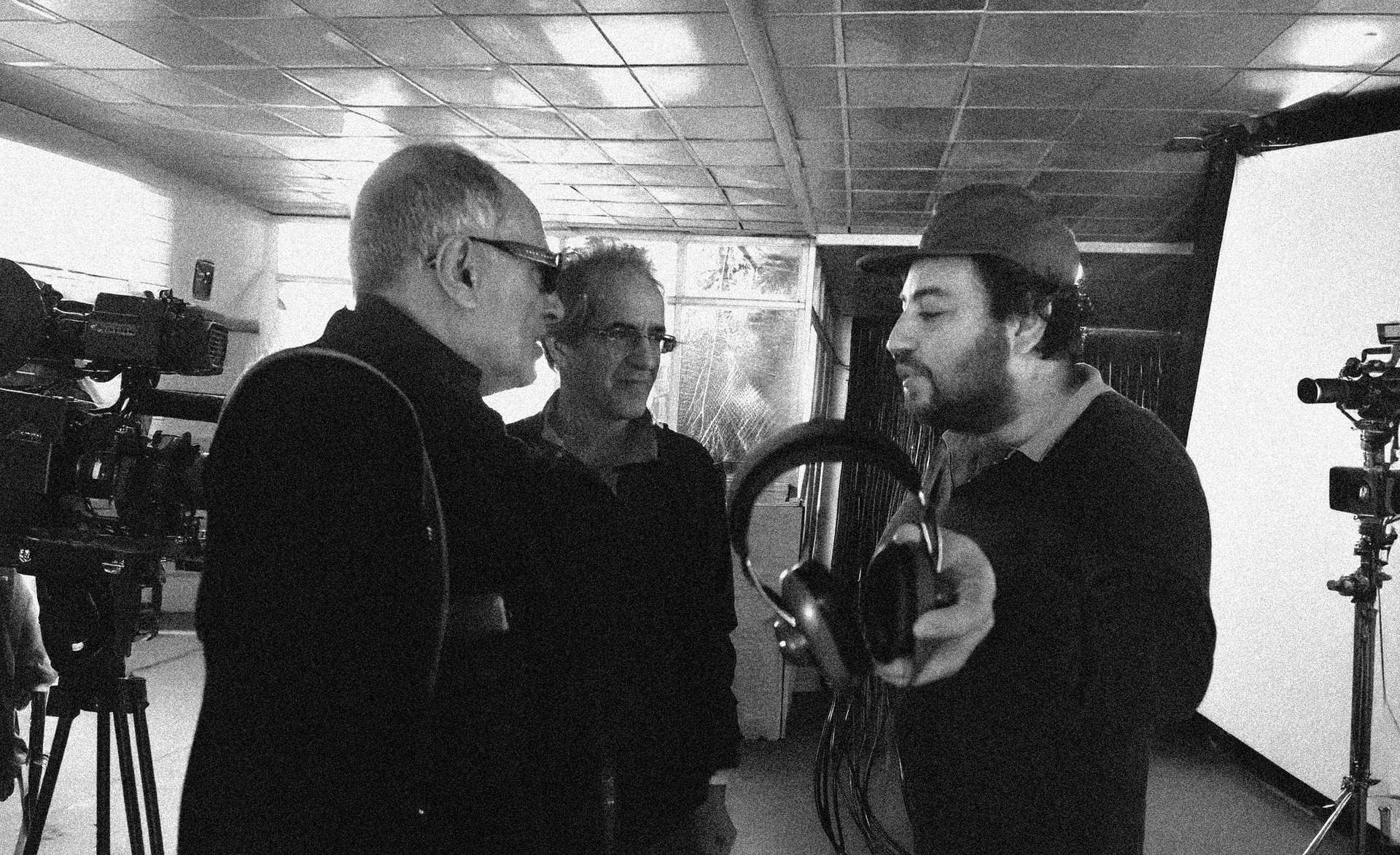
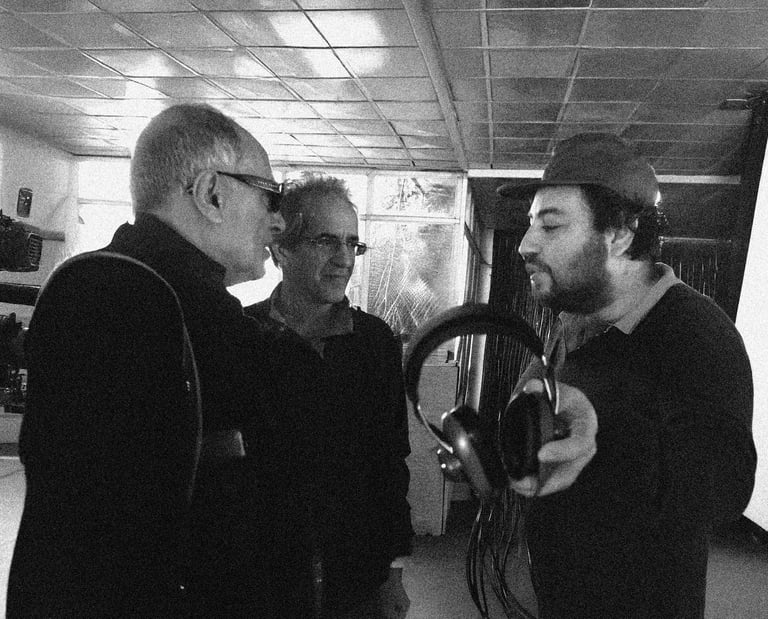
The influence of Abbas Kiarostami on me and The Loquat Tree extends far beyond his style, it lives in the way of seeing things. I grew up following Ahmed searching for his friend's house and Sabzian faking to be his own idol and I stepped into adulthood tasting the cherry and being carried by the winds. But just as vital as these were in the formation of my cinematic language, it was his philosophy (deeply rooted in ancient Persian poetry and wisdom) that allowed me to find my own voice. But then having the opportunity to collaborate with him on a short film in Cuba, became a dream coming true. My knowledge of Farsi language bestowed me hours of conversations with him, not only throughout production, but after hours and in between shoots. It was a brief moment in my life, that I'll cherish forever as our conversations, filled with his unique brand of Persian humor, unparalleled depth and original views became the food for my soul, which I devour to this day, surviving the flatness of Los Angeles! His words, “My mind is like a refinery, with ideas as crude oil,” gave me the clearest reflection of his philosophy. It is through this same process—filtering fragments of lived experience into cohesive stories that The Loquat Tree gathers its many personal stories and transforms them into a unified, human narrative.
Our Friend Serj
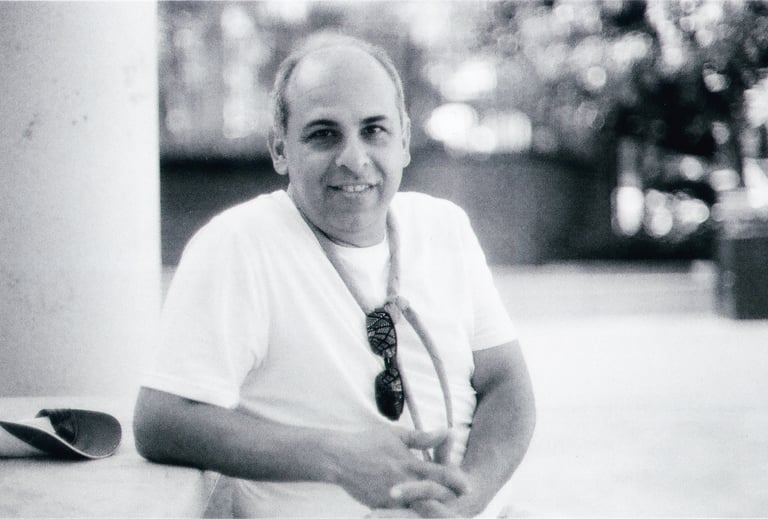
The first seed of The Loquat Tree was planted through our friend Serj, my former scout master in Tehran who rebuilt his life in Los Angeles as a FedEx delivery driver, enduring long hours and harsh conditions at work. After an exhausting day, he would usually come by to my studio in Glendale and we'd play FIFA as he'd recount stories from behind countless doors: moments of humor, frustration, kindness, and often indifference. As he would conceive goals (I'm a Fifa Master so he was often on the losing end!) snapshots of lives intersecting briefly through ajar doors were revealed. What began as random memories slowly became a framework of my screenplay. Eventually I asked him to let me join his routes, where I witnessed firsthand not only the physical toll but the emotional pressure of his job. That experience shaped the film’s perspective. Serj is no longer with us, but his presence runs through the core of this project...The Loquat Tree stands, in part, as a tribute to him and to the many invisible workers whose daily labor sustains a system that rarely acknowledges them.
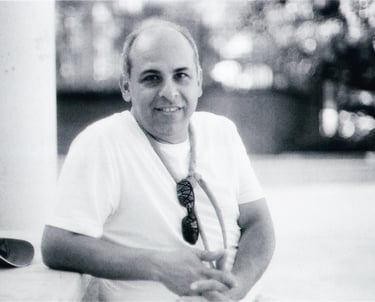
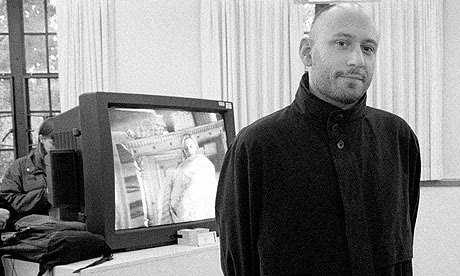
David Shield's "Reality Hunger"
The discovery of "Reality Hunger" was a turning point in shaping the direction of The Loquat Tree. Shield's call for authenticity—for breaking down the artificial boundaries between fiction and reality, has convinced me to move away from conventional storytelling and toward something far more immediate and truthful. Guided by this philosophy, I'm casting people in roles that mirrors their real lives, filming in actual locations where they live and work, and allowing real environments to dictate the rhythm of each scene. When merged with the observational and minimalist approach of Kiarostami, this method can create moments that feel less like constructed cinema and more like fragments of lived reality, where the line between film and documentary begins to dissolve, and what remains is something raw, intimate, and undeniably human.
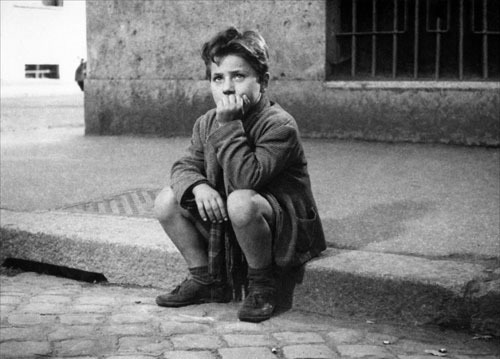
The Bicycle Thieves (1948) Vitorio De Sica
My father would often urge me to follow Vittorio De Sica’s path—make a couple of films for the market, secure the means, and then use that freedom to create something honest like Bicycle Thieves. The film’s quiet portrayal of a father and son navigating hardship in post-war Italy is so pure that it never leaves my memory. Its influence is almost unavoidable, and really who can write a story about a parent and child facing poverty, without paying homage to this gem? For The Loquat Tree, it serves not only as inspiration, but as a reminder of what is possible when storytelling is stripped down to basic equipment and real problems!
10 Years of longing
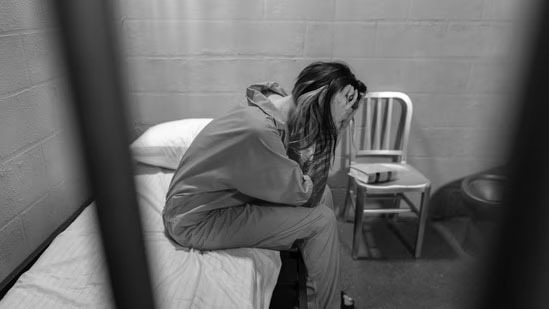
About 20 years ago, when my father suffered a stroke and was hospitalized at a Los Angeles Hospital, I was thousands of miles away in Iran, unable to see him due to visa restrictions. In a desperate attempt, I flew overnight to Yerevan, Armenia (the nearest location with a U.S. embassy) carrying his updated medical records, hoping for an emergency visa. The visa was denied of course, but what followed was a decade of separation, missing the chance to be present during one of the most critical moments in his life. That unresolved pain—of being kept from a parent not by choice, but by regulations, lingered long after. It now lives within the emotional core of the film, shaping the mother’s decision to leave her family and return to Tehran to see her dying father. That urgency is not imagined—It is drawn from a lived pain, reminding us about the human cost of borders, politics, and time.
Edward Hopper's art and characters
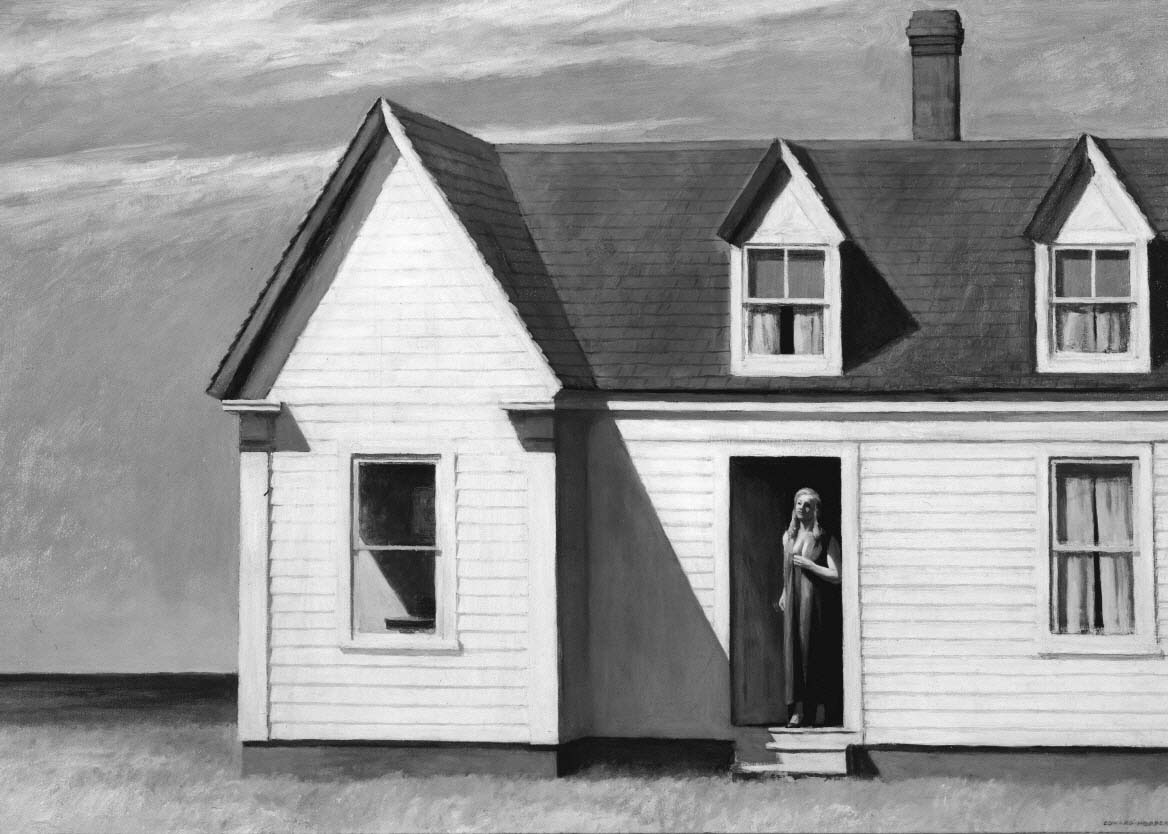
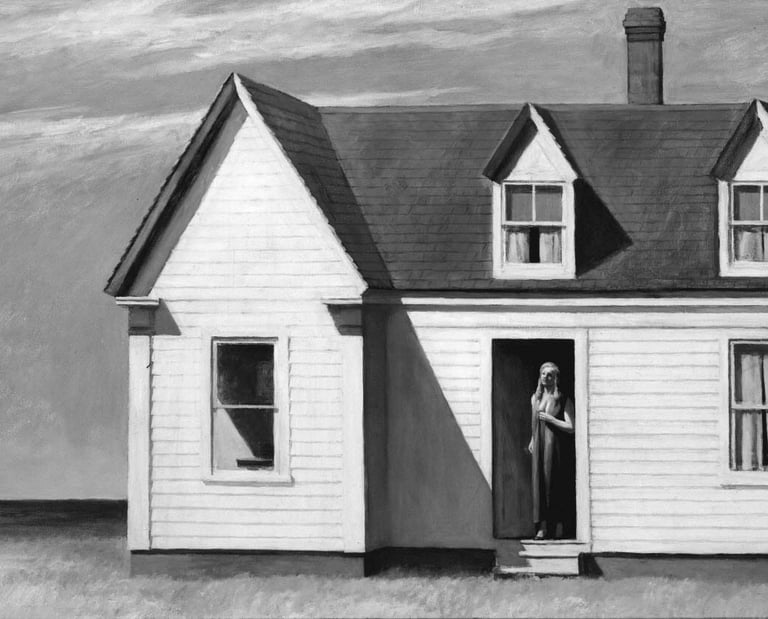
The paintings of Edward Hopper have deeply shaped the visual imagination of The Loquat Tree, particularly in how we envision the lives behind ajar doors. Hopper’s characters in beautiful spaces, yet remain suspended in quiet isolation, gazing out, lost in thought, waiting. That same atmosphere informs many of the people on the receiving end of the packages in our film: individuals surrounded by comfort, yet touched by loneliness, their attention briefly pulled away from that inner void by the arrival of a delivery. Trey and I are studying these compositions closely, drawing from his use of light, framing, and stillness to shape the visual language of these encounters, where each doorway opens into a story.
Aftersun (2022) by Charlotte Wells
Aftersun resonates closely with The Loquat Tree in its portrayal of a father and daughter navigating a bond shaped by absence and unspoken tension. In both films, the missing mother is only a voice, creating a quiet emotional gap that neither fully addresses. Like in Aftersun, Arev (Wow so many suns!) begins to sense that her father carries unresolved pain, that he is present, yet not entirely free from the past. What inspires me in Aftersun is the way characters avoid constant direct confrontations; instead, they rely on small moments to reveal how they feel. And the whole thing is done so subtly that is nothing short of genius...Really hoping that we can get remotely close to what is achieved in this amazing film.


Tumanyan's Gikor
Gikor was one of the first stories that left a lasting emotional mark on me as a child—finishing it in tears, overwhelmed by its quiet tragedy. While The Loquat Tree lives in a very different thematic space, it still echoes some of the same underlying truths found in Hovhannes Tumanyan’s work: the vulnerability of children placed in harsh realities, the indifference of a society that often looks away, and the invisible weight of social class. Gikor reveals how easily empathy can be lost in the structures of everyday life, and that awareness subtly informs the world of The Loquat Tree, where moments of kindness and neglect coexist, often separated by nothing more than a door.
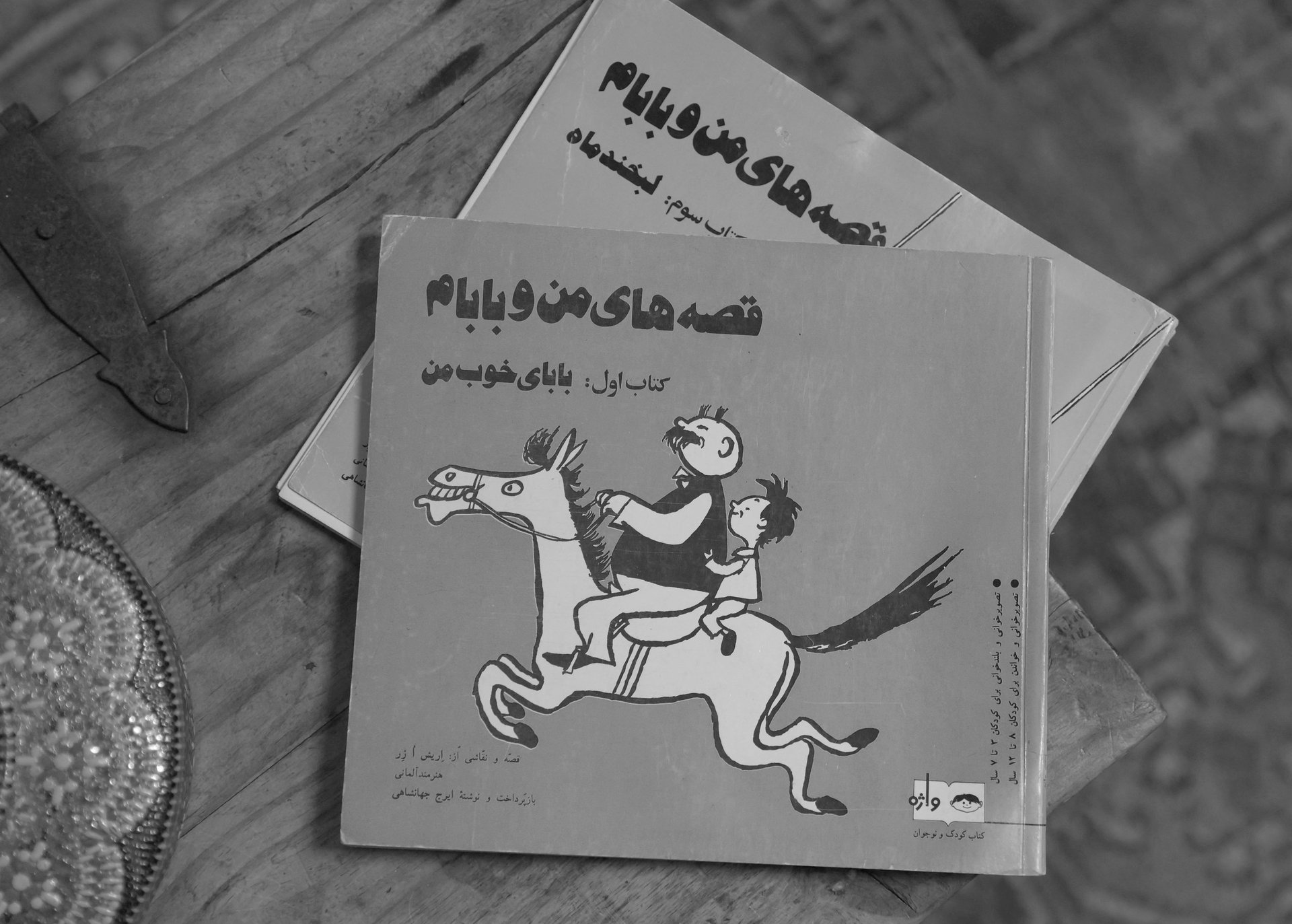
Stories of my dad and I
A timeless collection of wordless comic strips by German cartoonist Erich Ohser that captures the everyday adventures of a father and his son with remarkable simplicity and depth. I was Introduced to these books through my dad when I was barely a teenager and now I share it with my own children. What makes them inspiring is their ability to hold humor and sorrow in the same frame: playful mischief sits alongside quiet moments of loss, all conveyed without dialogue, relying purely on gesture and timing. In the Loquat Tree as well my aim is to balance joy and pain through subtle, often comedic situations, this can partly be achieved by witty dialog and to some extent by side characters.
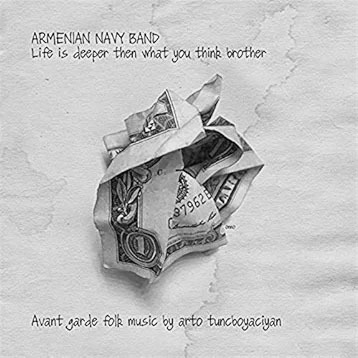
Arto Tunçboyacıyan's music
"Life is deeper than what you think brother" carries a depth that reveals itself gradually, much like the spirit of The Loquat Tree. While the title invites introspective, it is the main track that has been a direct source of creative inspiration, both emotionally and tonally—and one we hope to incorporate into the film itself. Beyond its sound, what makes this work especially meaningful is its use of an obscure North Caucasian dialect, echoing our film’s own embrace of a lesser-heard Persian-Armenian accent. In both cases, the art extends beyond storytelling into preservation—holding onto voices, rhythms, and languages that might otherwise fade. There is a quiet pride in that effort, in creating something that not only expresses life, but also safeguards fragments of cultural identity within it.
Totem (2023) by Lila Avilés
I think Totem's most direct influence came through its profound use of a child’s perspective within a dense, emotionally charged adult environment. Lila Avilés captures a life very similar to what my characters go through...Messy, overlapping, and deeply human and like Kiarostami she too allows the camera to observe rather than control. This sensibility carries into The Loquat Tree, where the world is experienced through 8 years old Arev's navigating spaces filled with delivery drivers, unhappy clients, and harsh neighborhoods, discovering meaning not through explanation or even dialog as much, but presence of an observing camera.
The US war with Iran and my mother
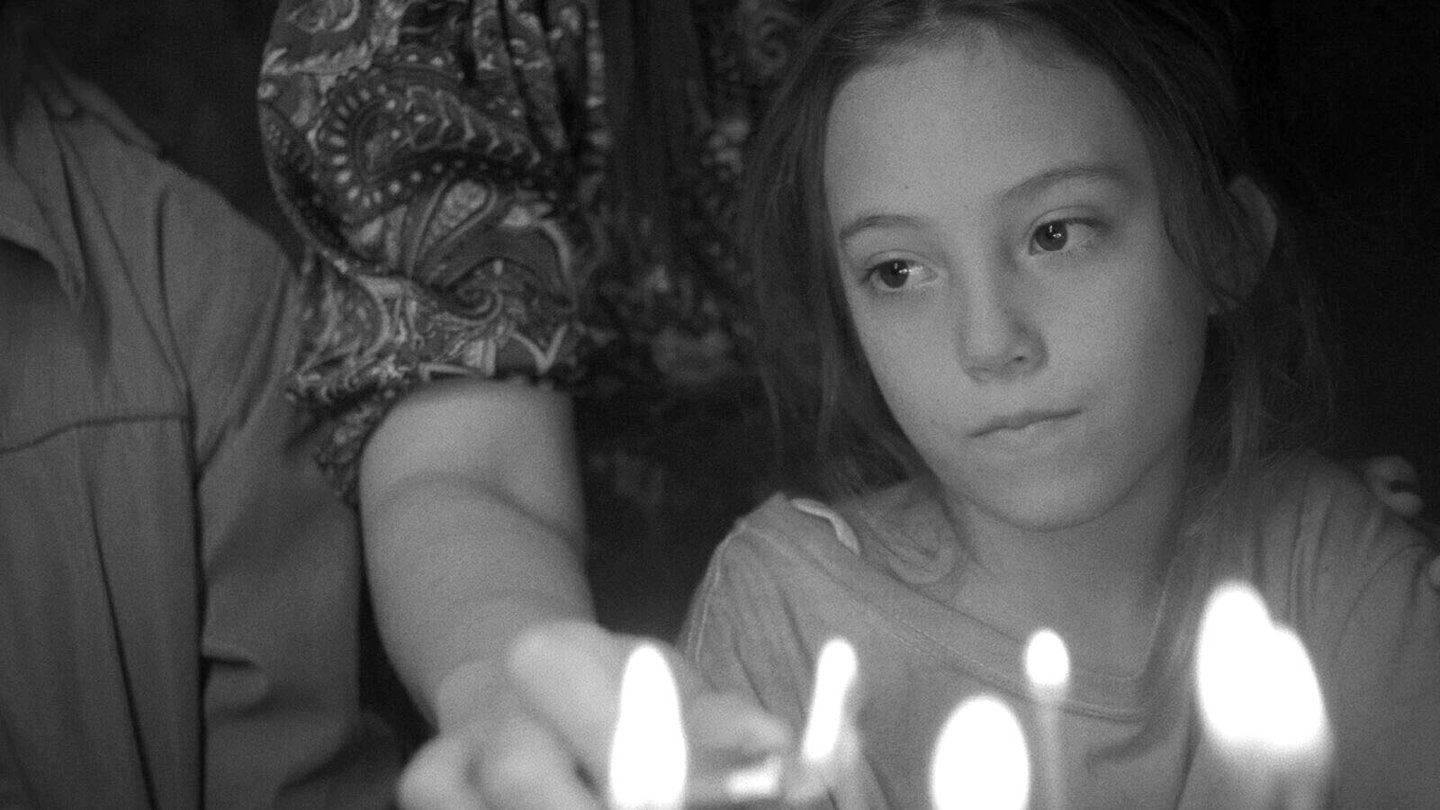
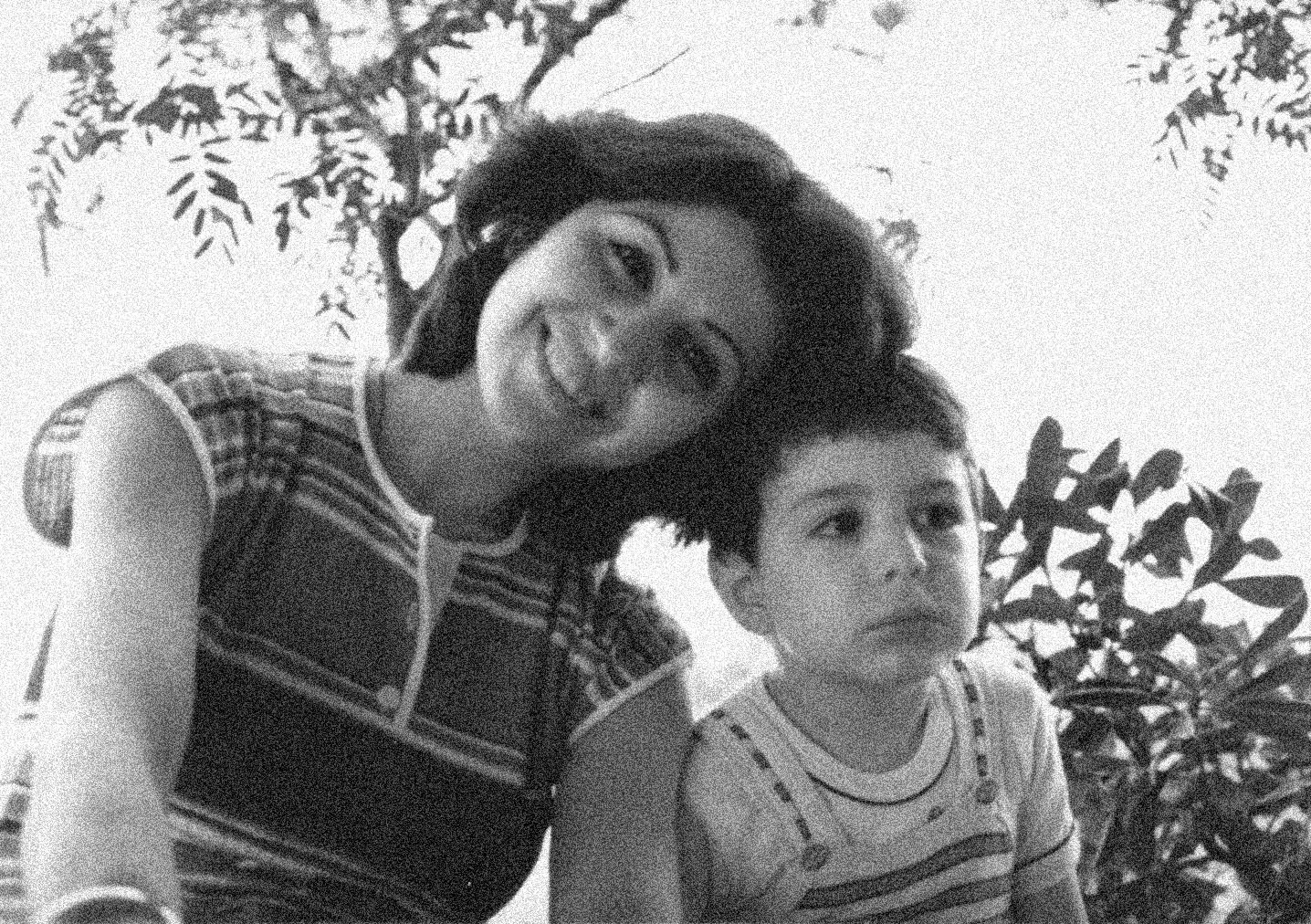
The recent escalation between United States and Iran has brought the themes of The Loquat Tree into an unsettling alignment with real life. An extended internet shutdown in Iran (now lasting over forty days) has cut off all communication with my mother, turning distance into something immediate and deeply distressing. What was once a narrative element in the film (the child’s separation from her mother) has become a lived reality, reshaping the emotional stakes of the story. This inspired me to evolve alongside these real-world developments, considering a more immediate, almost documentary-like truth in the spirit of Reality Hunger. At the same time, it echoes memories from my childhood in Iran, when we would run to shelters with my mother to escape the Iraqi bombs. That past and present now converge, adding a layer of fear and urgency that cannot be written but only lived and inevitably carried into the film.
Chekhov...Dear Chekhov!
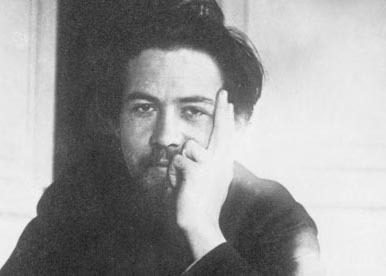
The influence of Anton Chekhov on The Loquat Tree is both personal and deeply embedded in its storytelling. Introduced to his work by my uncle, I learned early on to appreciate the quiet power of simplicity in his writing—the way he captures the human condition through small, unassuming moments. Stories like Vanka and Misery stayed with me, and I found myself naturally echoing that sensibility while writing scenes—focusing on subtle gestures and unspoken emotions. That influence became so tangible that one of the most distinctly Chekhovian moments in the film unfolds within a Russian household, almost as if lifted from his world. The Loquat Tree is filled with such fragments—quiet, observational pieces of life that may seem dull to those seeking adventure, but for anyone drawn to human experience, they carry a lasting emotional resonance.
Kes (1969) by Ken Loach
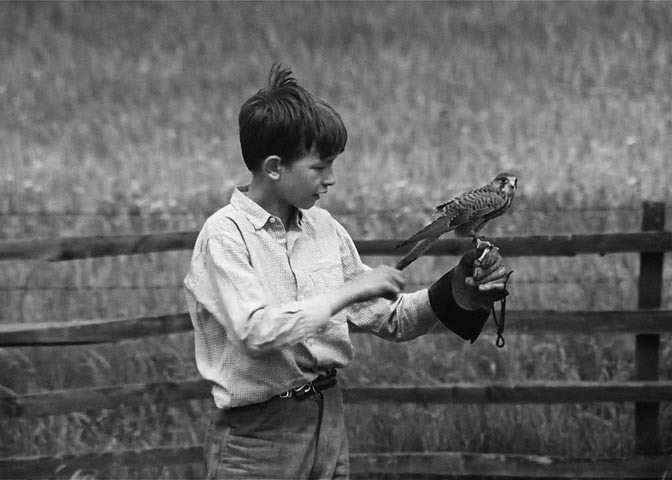
Kes stands as a major influence on The Loquat Tree, both in spirit and in texture. Ken Loach’s body of work (Especially Sorry We Missed You) offers an unfiltered look into working-class life, but Kes carries a particular emotional imprint. Billy Casper’s quiet resilience, set against the dark grey landscapes of Northern England, feels strikingly translatable to a cloudy day in Sunland, Los Angeles. There’s a poetic parallel between miners waiting to enter tunnels and delivery drivers gathered around conveyor belts, both bound to systems larger than themselves. And just as Billy finds a sense of freedom and companionship with the falcon, that same echoes in Arev’s relationship with Shuddy the dog... Small, intimate connections that offer a escape from the reality of the grownups lives.
Illustrations of Steve Cutts
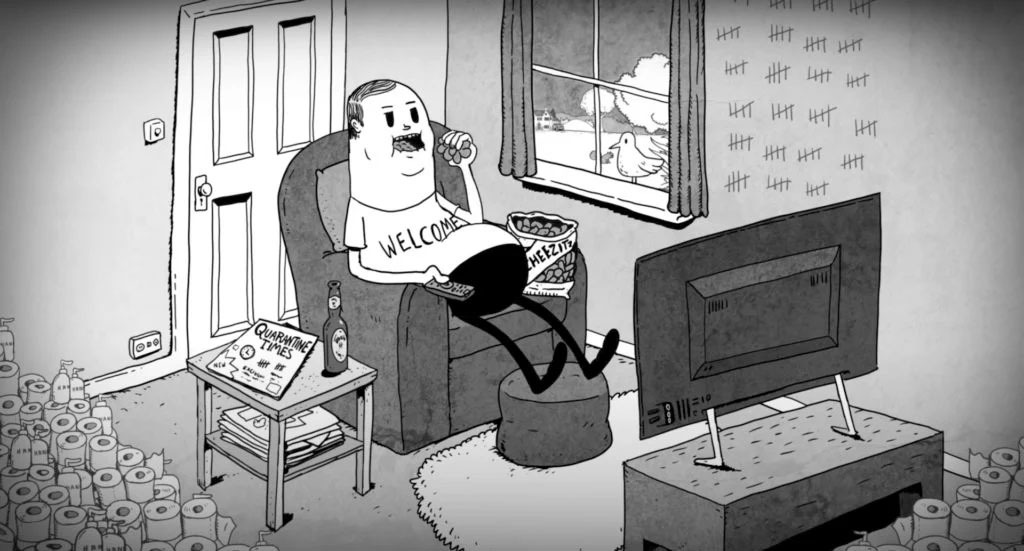
The illustrations of Steve Cutts bring a sharp, unsettling clarity to the world of excessive consumerism, a vision that strongly resonates with The Loquat Tree. In his short film Happiness, the metaphor of the rat race captures a society trapped in endless pursuit, where no matter how much you own, fulfillment remains out of reach. That same critique finds its way into the film’s portrayal of the shipping and delivery ecosystem, where constant consumption fuels a cycle that rarely satisfies. In The Loquat Tree, every door opens to homes filled with things, yet often occupied by empty individuals. In the world of The Loquat Tree delivery is not just a service, but a symptom of something much larger.
Beasts of the Southern Wild (2012) by Benh Zeitlin
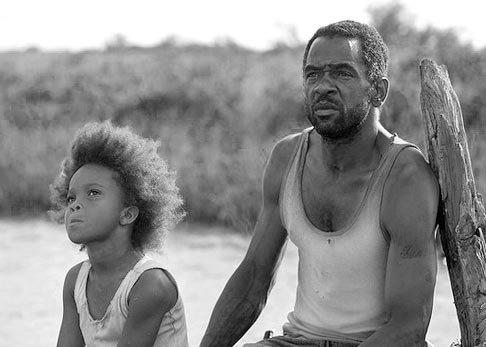
Beasts of the Southern Wild offers a powerful reference point for placing a child’s imagination within a raw, masculine world. Benh Zeitlin builds a space where rough, loud adults exist alongside a young girl who transforms her surroundings into something magical and deeply personal. A similar contrast lives in The Loquat Tree: a little girl navigating a world of hardened, often chaotic delivery men—eating, arguing, surviving—while she quietly builds her own inner landscape beside them. That tension between harsh reality and childlike wonder becomes a key emotional layer, where innocence doesn’t escape the world, but reinterprets it in the form of colorful paintings and talking animals.
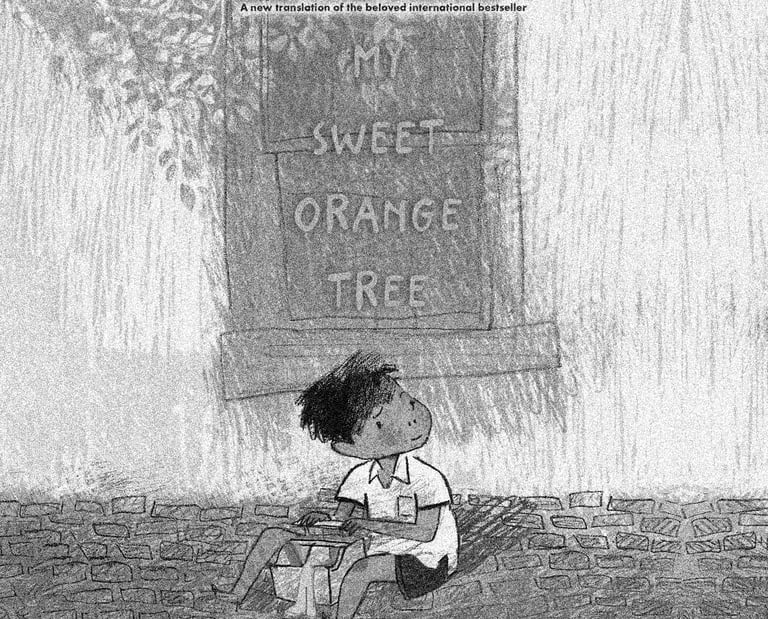
My Sweet Orange Tree - by Meu Pé de Laranja Lima
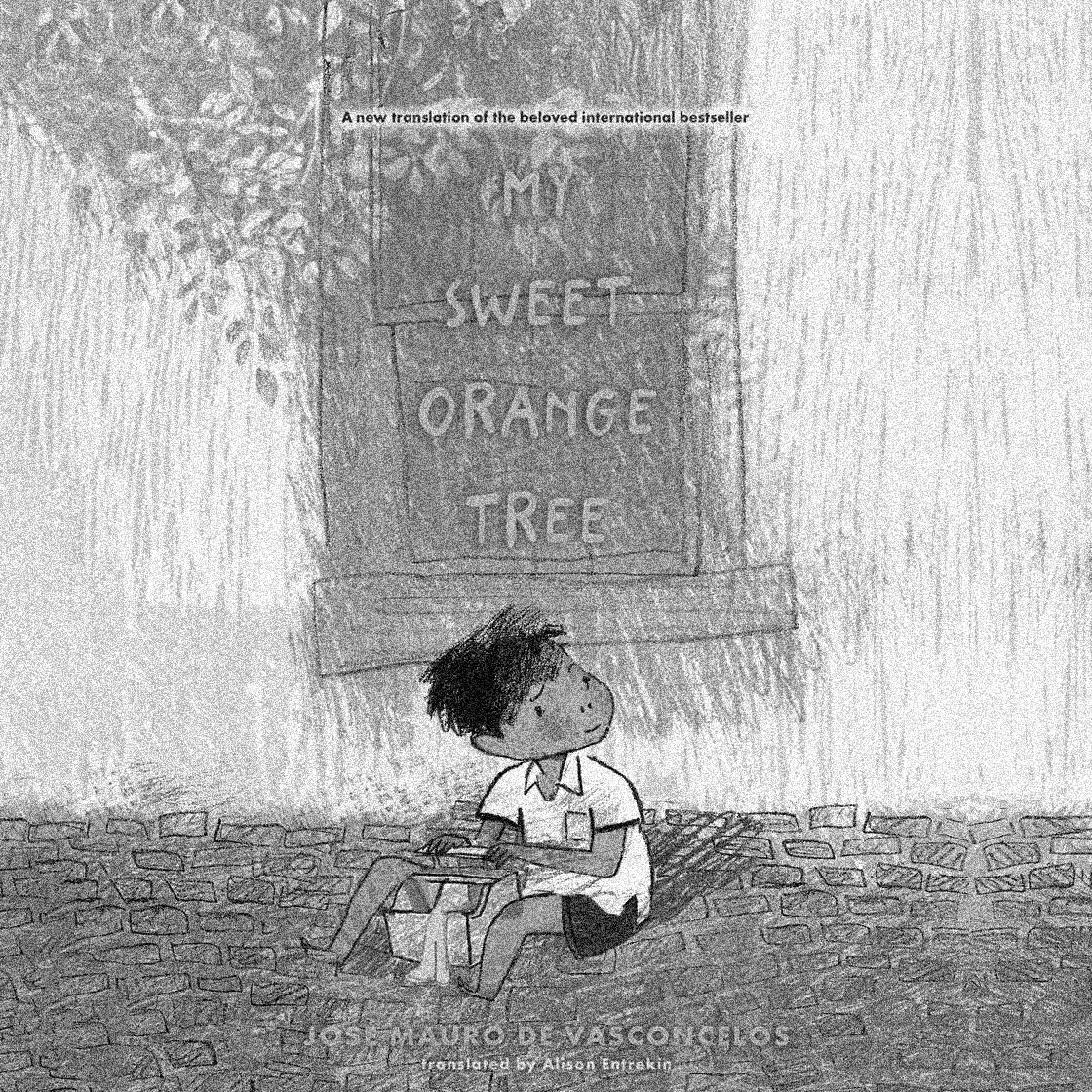
Zeze in Rio and Arev in LA both share an emotional kinship, particularly in how they turn to a tree as a source of comfort, imagination, and survival. In the book, the young boy forms a deeply personal bond with his orange tree, confiding in it, escaping into it, and becoming his friend in a world that often feels harsh and indifferent. The Persian translation of the book was gifted to me as a child by my uncle, also a poet, but years later when I ordered the English version on Amazon for my daughter I could still feel the poetic weight of the story as the tree becomes more than just a plant but a symbol of hope.
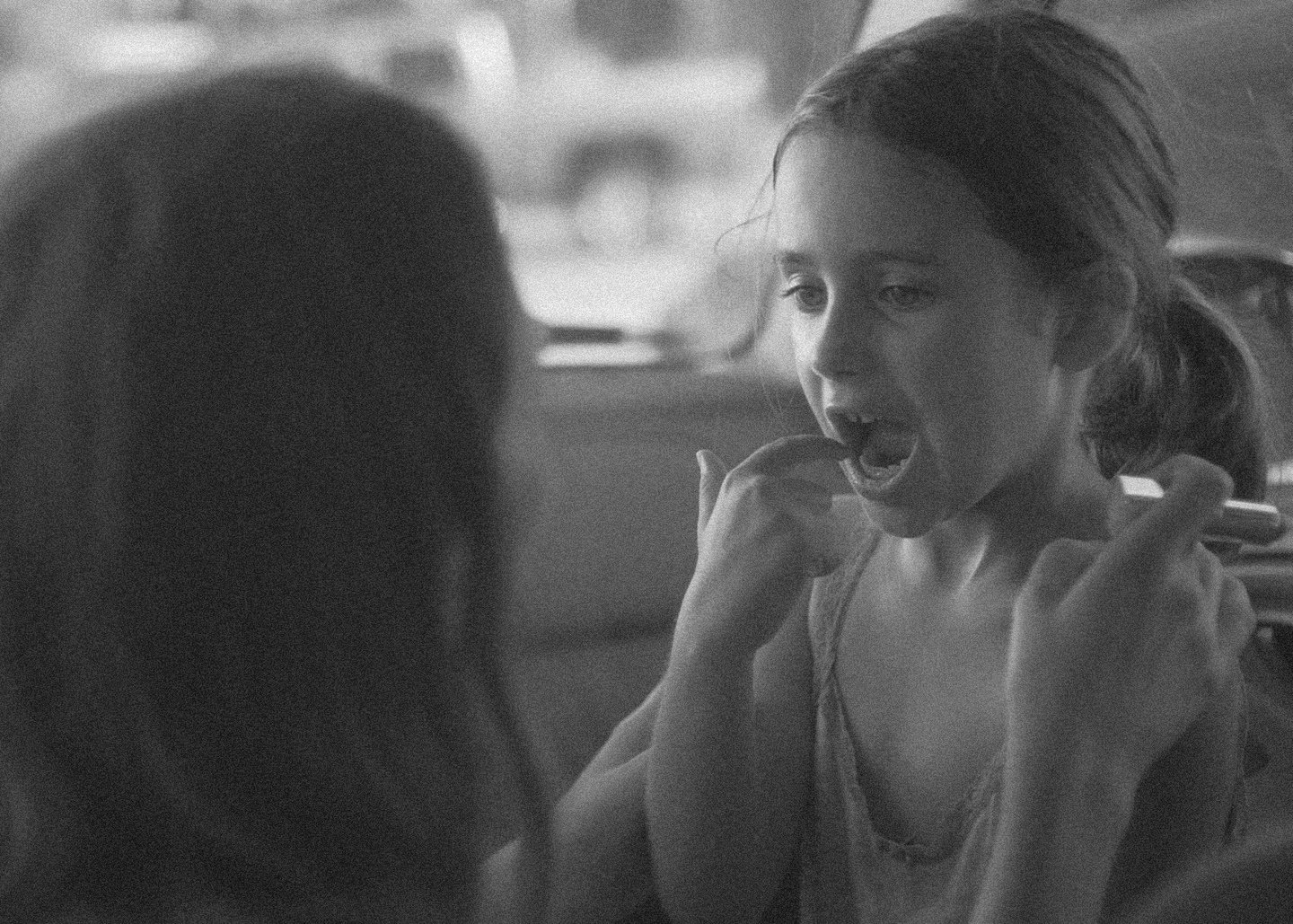
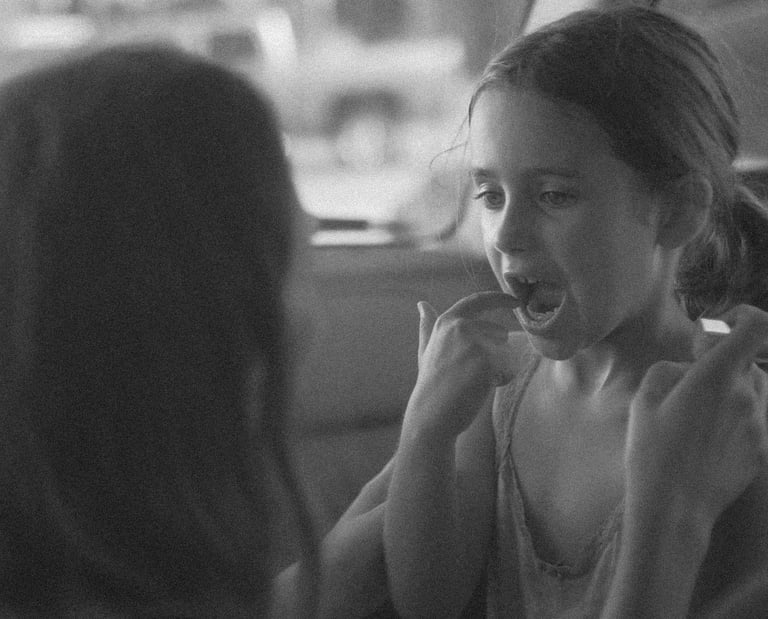
Caroline (2018) By Logan George and Celine Held
Caroline stands out as a key visual reference for The Loquat Tree, not for its tension or performances, but for its inventive use of space. Logan George and Celine Held demonstrate how a confined setting(a single car) can become a rich cinematic environment through thoughtful framing and movement. This approach directly informs the many scenes in The Loquat Tree that take place inside a delivery truck, where limitations become opportunities. Like Caroline, the goal is to find beauty and variation within tight quarters, using the camera not just to observe, but to transform a small, everyday space into something visually compelling and emotionally alive.
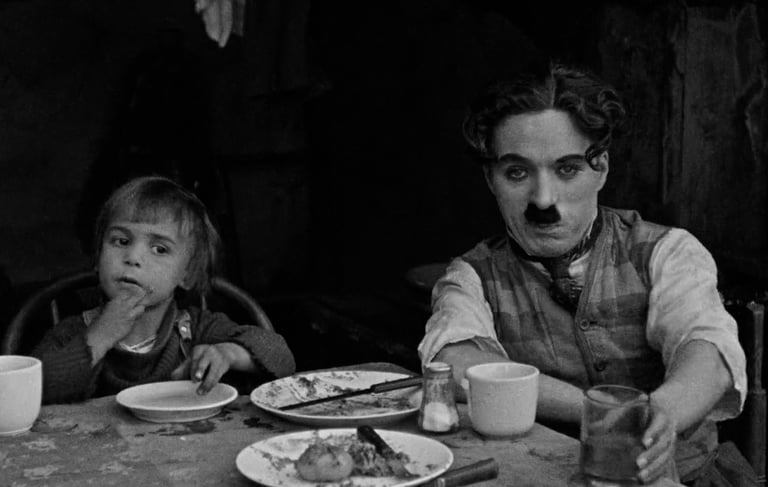
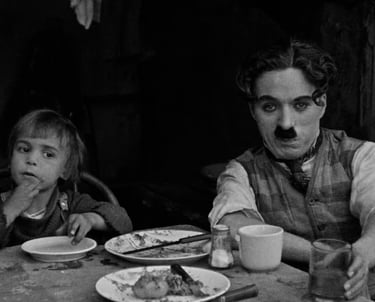
The Kid (1921) - Charlie Chaplin
The Kid has been my lifelong companion—first encountered in childhood, and later revisited through the eyes of an adult, each time revealing new details. Chaplin's delicate balance of humor and heartbreak, and the profoundly tender bond between the Tramp and the young boy serves as a direct emotional blueprint for The Loquat Tree. The connection between my story's young protagonist and her father draws from this same spirit, where love is expressed not through dramatic gestures, but through resilience against the system and the ability to find light even in the most uncertain circumstances.
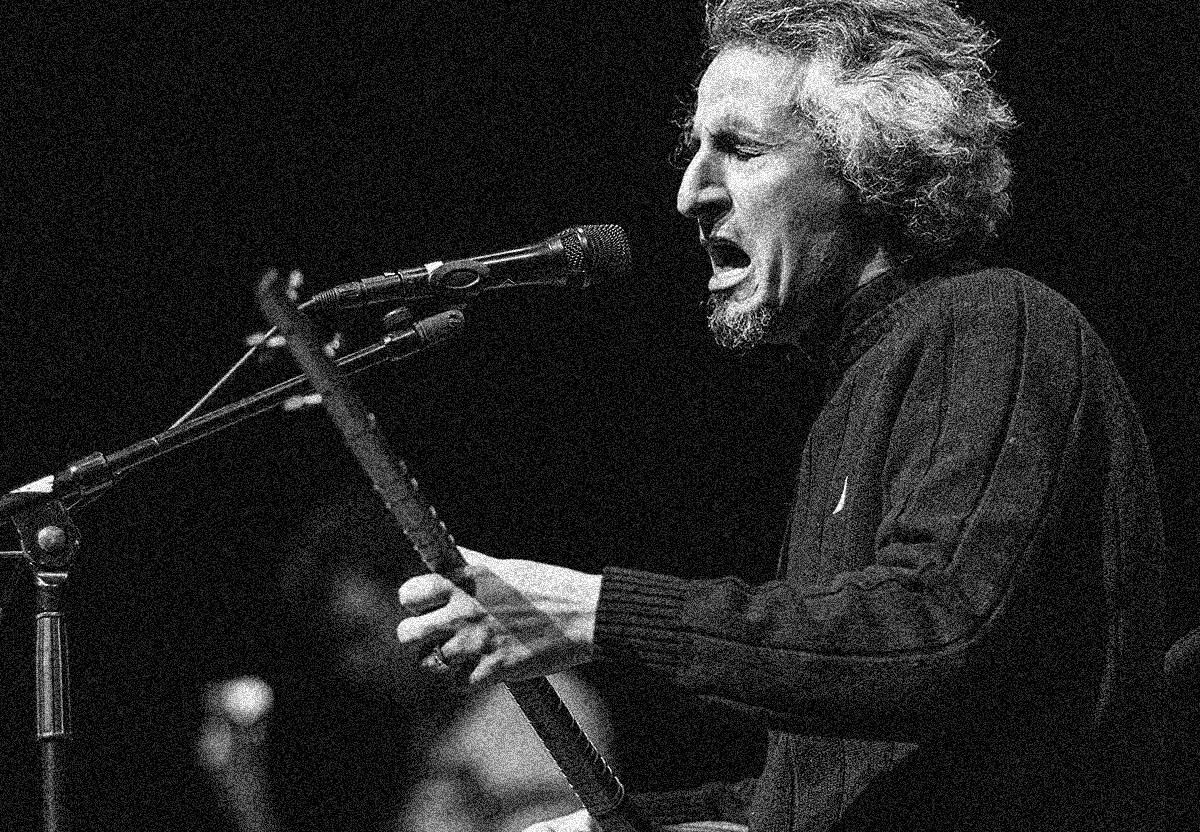
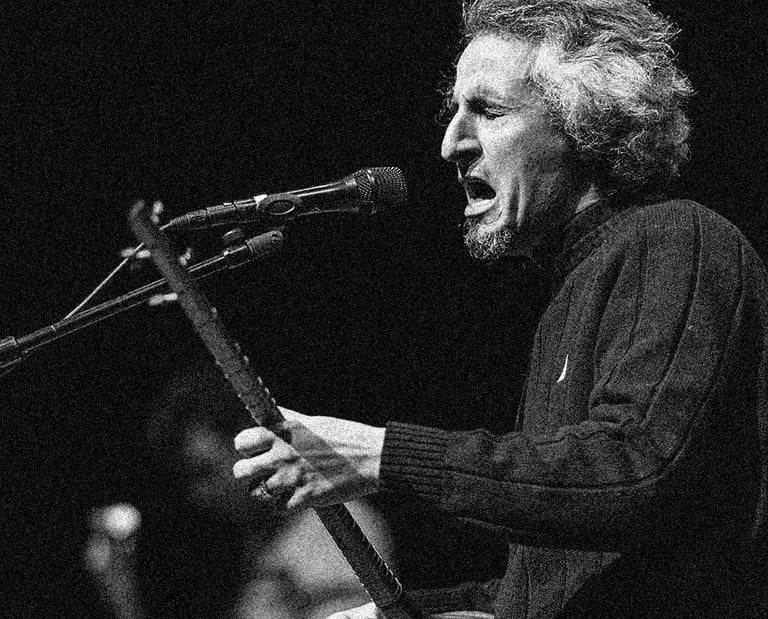
The music of Mohsen Namjoo
The music of Mohsen Namjoo holds a special place in the creative world of The Loquat Tree. His raw, unconventional voice and fusion of Persian classical, folk, and modern forms bring a sense of truth that aligns naturally with the film’s most authentic moments. His work has already been part of my cinematic language—most notably through “Toranj” in a previous short film (Albeit unlicensed) and continues to inspire the writing process. There is something deeply unpolished yet poetic in Namjoo’s sound and for this project his "Jabreh Joghrafia - Force of Geography" seems like such a fascinating addition. Will we be able to secure licensing? Well that entirely depends on the success of our campaign and the recording company that he deals with.
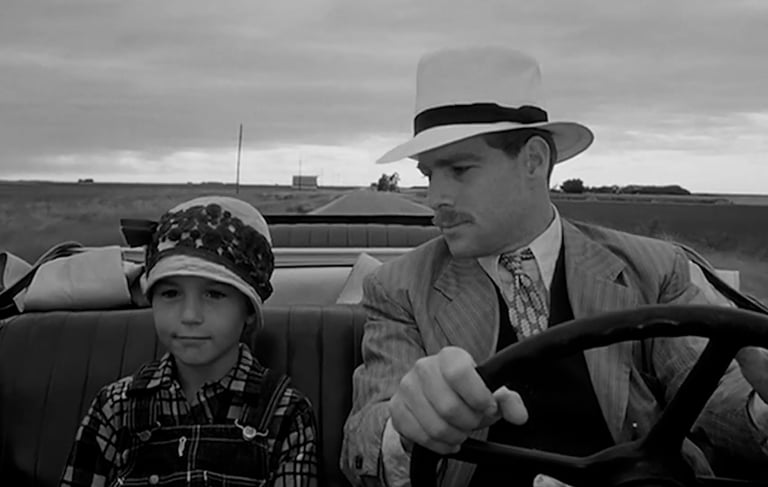
Paper Moon (1973) by Peter Bogdanovich
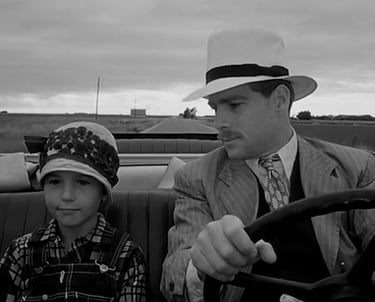
Considering the fact that my parents were huge fans of Ryan O'Neal, Paper Moon serves as a clear inspiration for our film in its use of a real-life father and daughter dynamic, which I, despite being against acting in my own films, believe will bring an organic authenticity to two characters' on-screen relationship. Also lets not forget that the film’s extended time spent inside a car—moving through landscapes, conversations, and silences—offers a natural blueprint for the delivery truck scenes in The Loquat Tree. Much like in Paper Moon, the vehicle becomes a world of its own, where rhythm is set and connection unfolds gradually through shared time rather than overt drama.
The Photographs of Philip-Lorca diCorcia
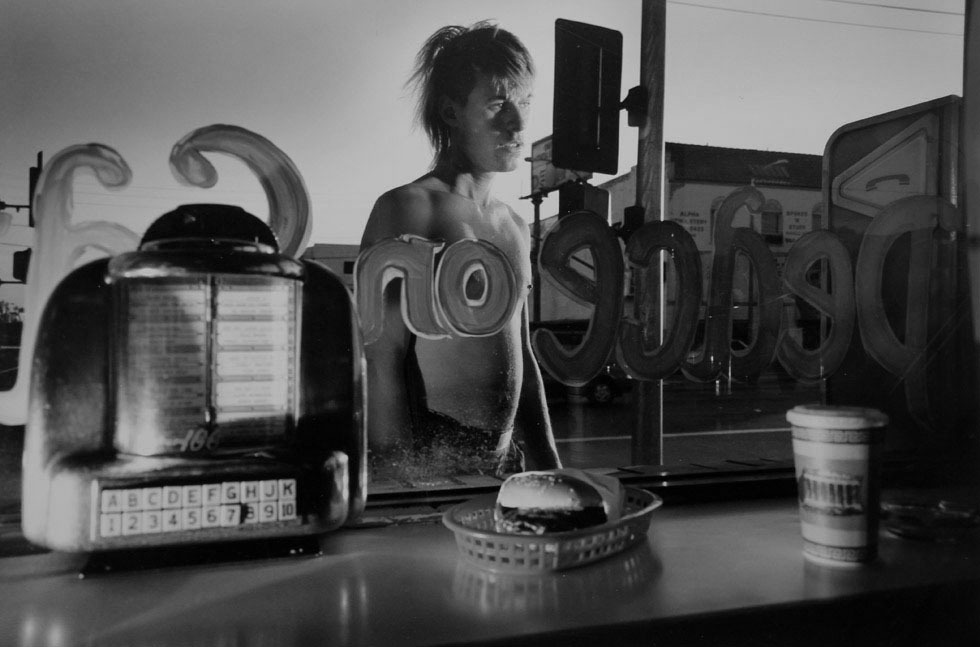
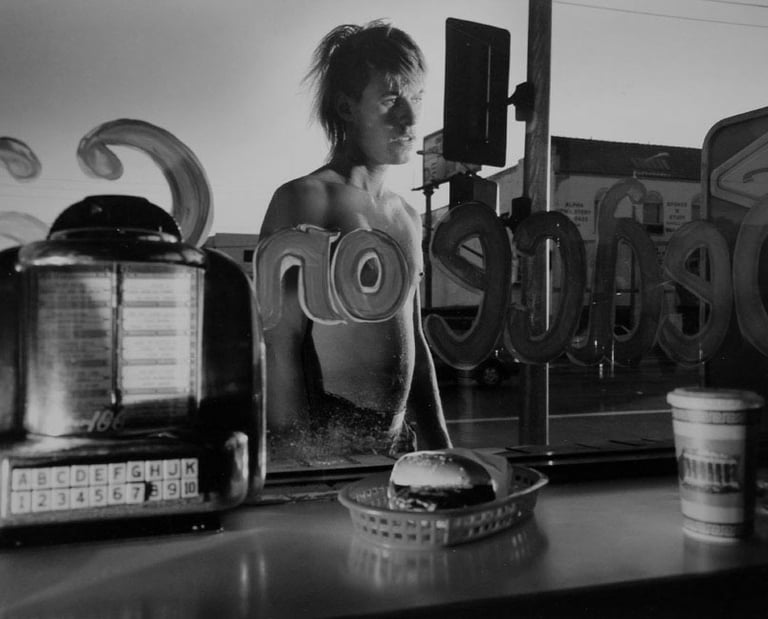
Corcia's style and visual ideas resonate strongly with The Loquat Tree in their strange ability to blur the line between staged and real, capturing people in moments that feel both accidental and carefully composed. His subjects (Who are often strangers encountered in passing) are frozen in brief encounters, yet they each carry a quiet emotional weight and hint towards a story. This mirrors the film’s structure, where the father and daughter meet people only for fleeting moments at their doorsteps, catching glimpses of lives without ever fully entering them. Our aim is to position the people waiting for packages in setups similar to Corcia's characters and allow the audience to construct their own stories based on what is visible within the frame.
The Myth of Sisyphus
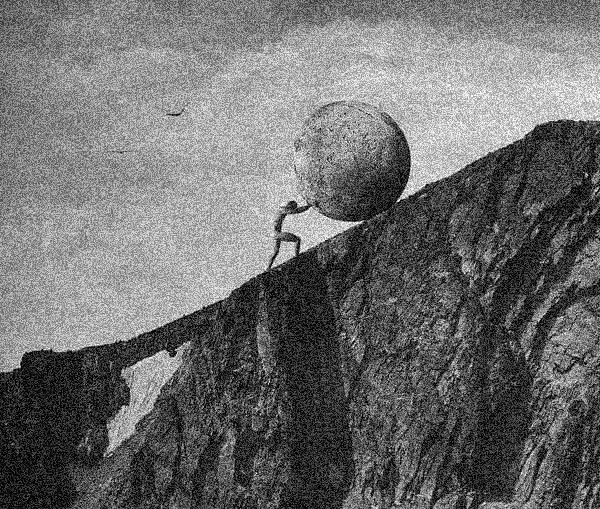
Maybe the most philosophical of inspirations comes from the most ancient one! Sisyphus, as explored in Albert Camus's essay, offers a powerful lens through which to view the father’s daily labor in The Loquat Tree. Like Sisyphus endlessly pushing his boulder uphill, the father moves up and down staircases, carrying packages in a cycle that can feel repetitive and unforgiving. Yet, as Camus suggests, the burden transforms when meaning is found within the act itself. In the film, that meaning emerges through... (Spoiler alert!) the presence of his daughter. And so what might appear as a mechanical daily existence begins to carry a deeper purpose.
Toni Erdman (2016) by Maren Ade
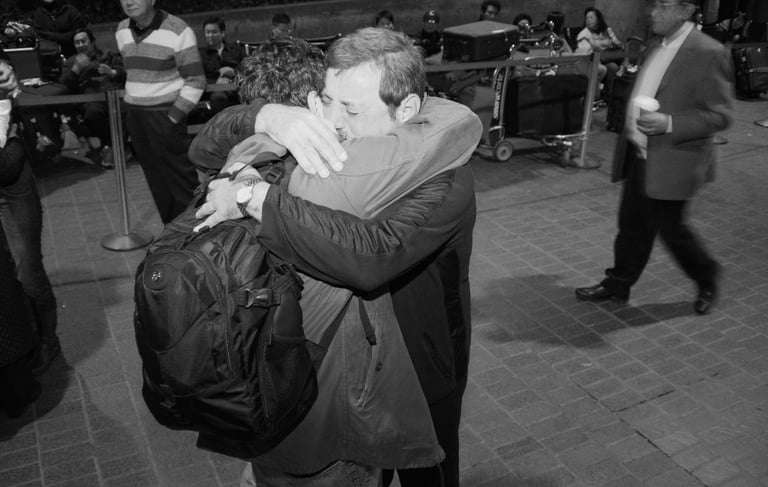
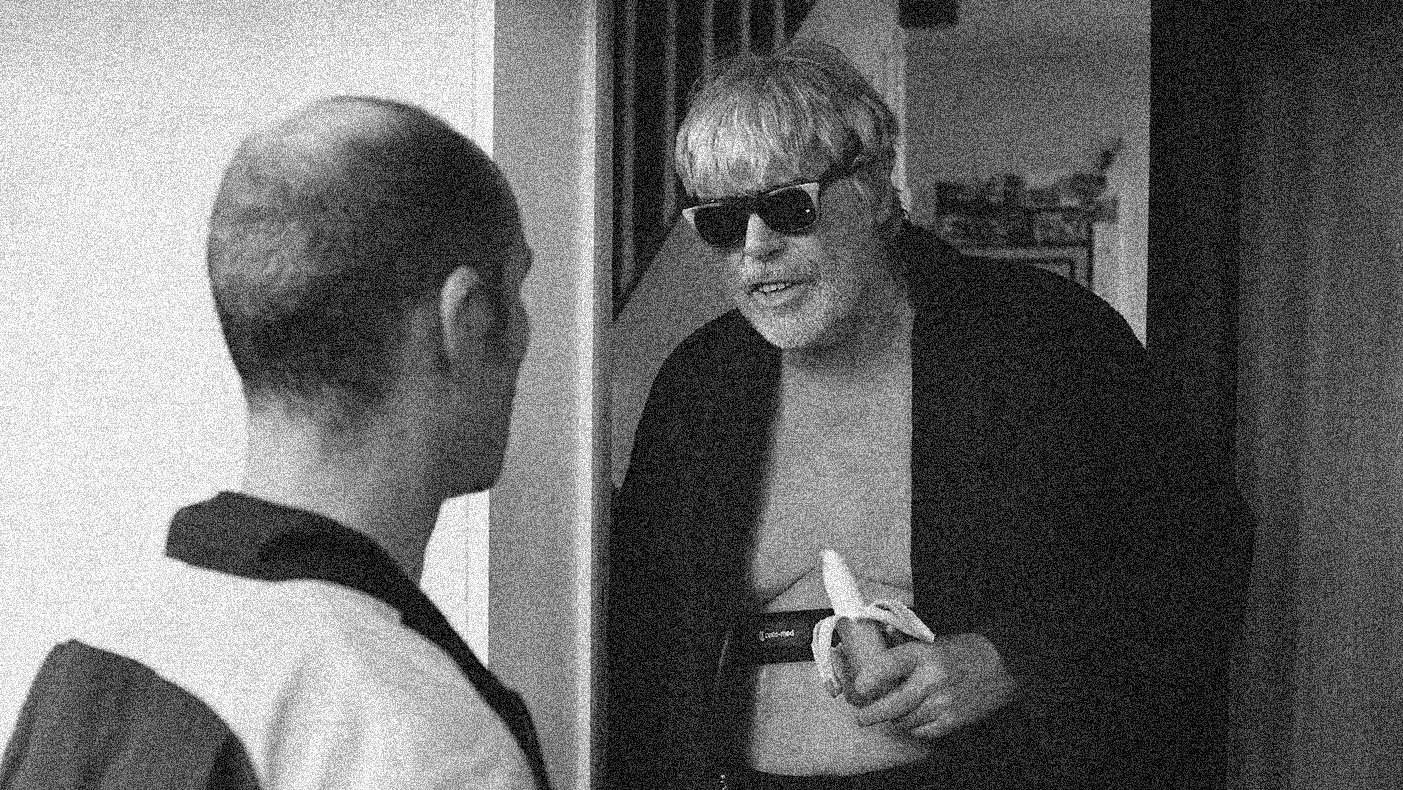
Though this GG (German Gem!) explores the relationship between a father and his adult daughter, the film is filled with several Chekhovian moments fused with awkward German humor. Coincidentally, this too begins with a package delivery scene, but it soon reveals itself as the most intense study of a father and daughter relationship that I've ever seen. That sensibility carries over into The Loquat Tree, not as much in its thematic exploration of a father–daughter bond, but in its restrained technique and naturalistic visuals (fantastic cinematography), where the camera observes rather than dictates, allowing life to unfold in all its subtle complexity. The moment the daughter hugs the big hairy thing still does whatever it did to me the first time!
The case of Sahakyan Family
The real-life case of Arthur Sahakyan and Arpineh Masihi influenced the development of "The Loquat Tree" screenplay in ways more than I expected. Before this, ICE raids of undocumented immigrants had not impacted my story directly. To be fair, I was actually concerned about the migrant crime spree in our cities with all the homelessness, sexual assaults and drug networks increasing, so in ways more than one I would find myself in agreement with putting an end to those reckless open border policies with hopes of seeing America safer. However after reading about Arpineh Masihi, an Armenian Iranian US resident whose family had moved here when she was only three, being detained in front of her husband and four kids in June of 2025, I noticed a huge shock inside, a need to reevaluate my stand on the subject and how it reflects in my story. The fragility of the children in both stories were my biggest concern really but a father under pressure was also something to dig into, so I think their story did really help me to have a much more profound understanding of the reality around this topic.